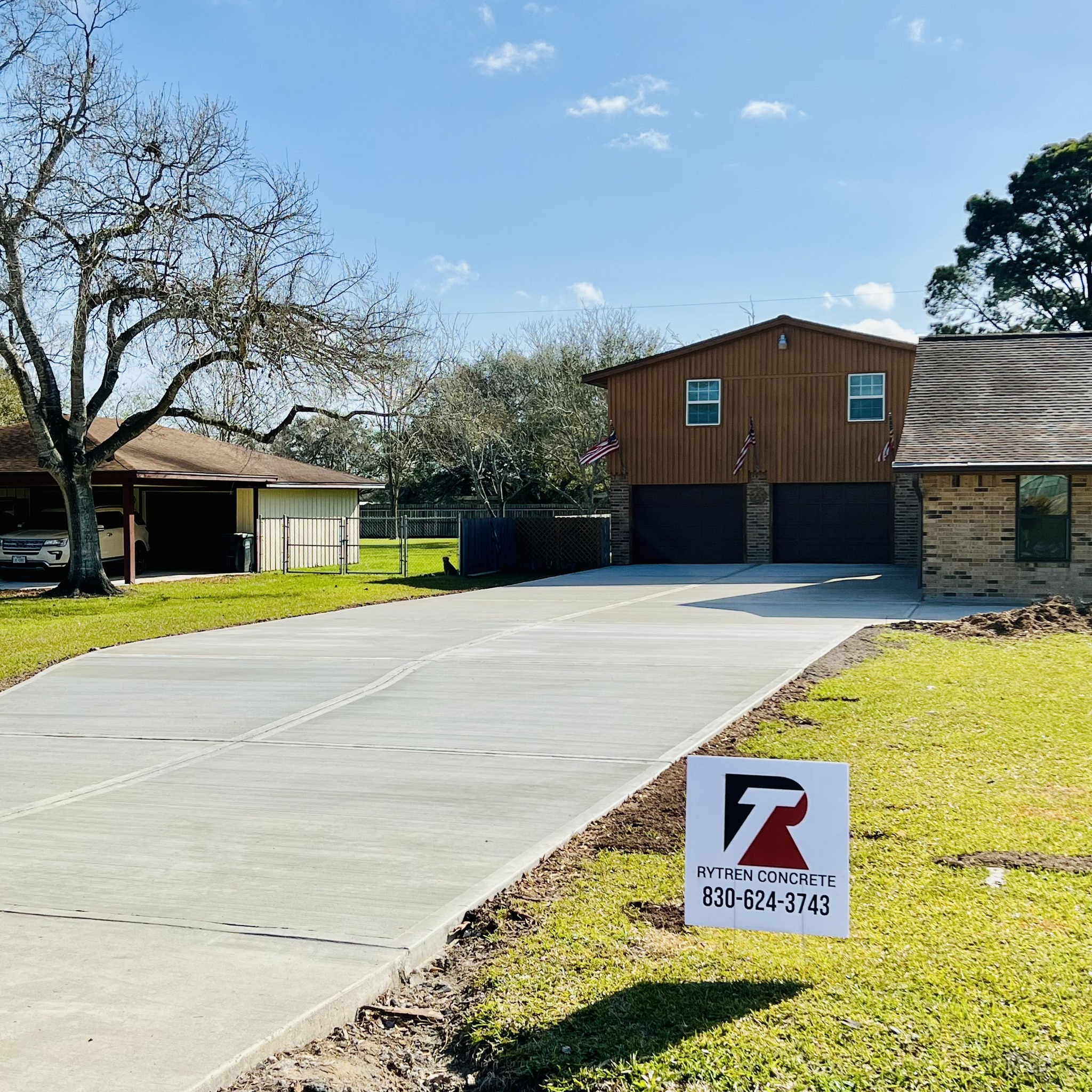
Understanding the Concrete Curing Process: What Every Homeowner Should Know Jan 13, 2026
Concrete curing is the process of maintaining adequate moisture, temperature, and time to allow the concrete to achieve its desired strength and durability. A common misconception is that once concrete is poured, the job is done. However, the reality is that curing is a vital continuation of the concrete setting process.
Before diving into the details, let’s address why curing is so essential. Properly cured concrete can withstand environmental stress, resist cracking, and maintain its structural integrity over time. Inadequately cured concrete, on the other hand, can lead to weakened structures and frequent repairs, ultimately affecting the longevity of your investment.
The curing process begins as soon as the concrete is laid. At this stage, maintaining the right conditions is crucial. The first step involves covering the concrete to retain moisture. Materials such as plastic sheeting or wet burlap are commonly used for this purpose. This step ensures that the concrete surface does not dry out too quickly, which can lead to surface cracks and reduced strength.
Temperature control is another critical factor during curing. Concrete should be protected from extreme weather conditions—both freezing temperatures and excessive heat can impede its curing process. In colder climates, thermal blankets or heated enclosures might be necessary to keep the concrete warm enough to cure properly. Conversely, in hot climates, shading or moisture-retaining coverings can help prevent rapid drying.
The duration of the curing process is equally significant. Generally, concrete should be cured for at least 7 days to fully develop its potential strength, though some mixes may require up to 28 days. Patience during this phase can pay dividends in terms of long-term performance.
Homeowners often wonder how they can tell if their concrete is properly cured. A professional concrete service like Rytren Concrete can provide guidance and monitoring to ensure optimal results. If doing it yourself, look for indicators such as an even color and no powdery residue on the surface. These are signs that your concrete is setting as it should.
It's also important to avoid walking or driving on newly cured concrete too soon. Doing so can cause permanent marks or structural damage. Wait until the curing period is complete and the surface has reached sufficient hardness.
At Rytren Concrete, we emphasize the importance of a professionally managed curing process as part of our commitment to excellence in concrete installation. Our experienced team understands the nuances of curing and applies best practices to ensure that every pour reaches its full potential.
Understanding the concrete curing process gives homeowners peace of mind and assurance that their structure will stand the test of time. By ensuring proper curing, you are investing in the quality and durability of your home. For projects big or small, trust in Rytren Concrete to guide you through each step, ensuring a solid foundation for your property.
/filters:no_upscale()/filters:format(webp)/media/0a20fabb-d23d-4d7e-9d53-94ac716bbf14.jpeg)