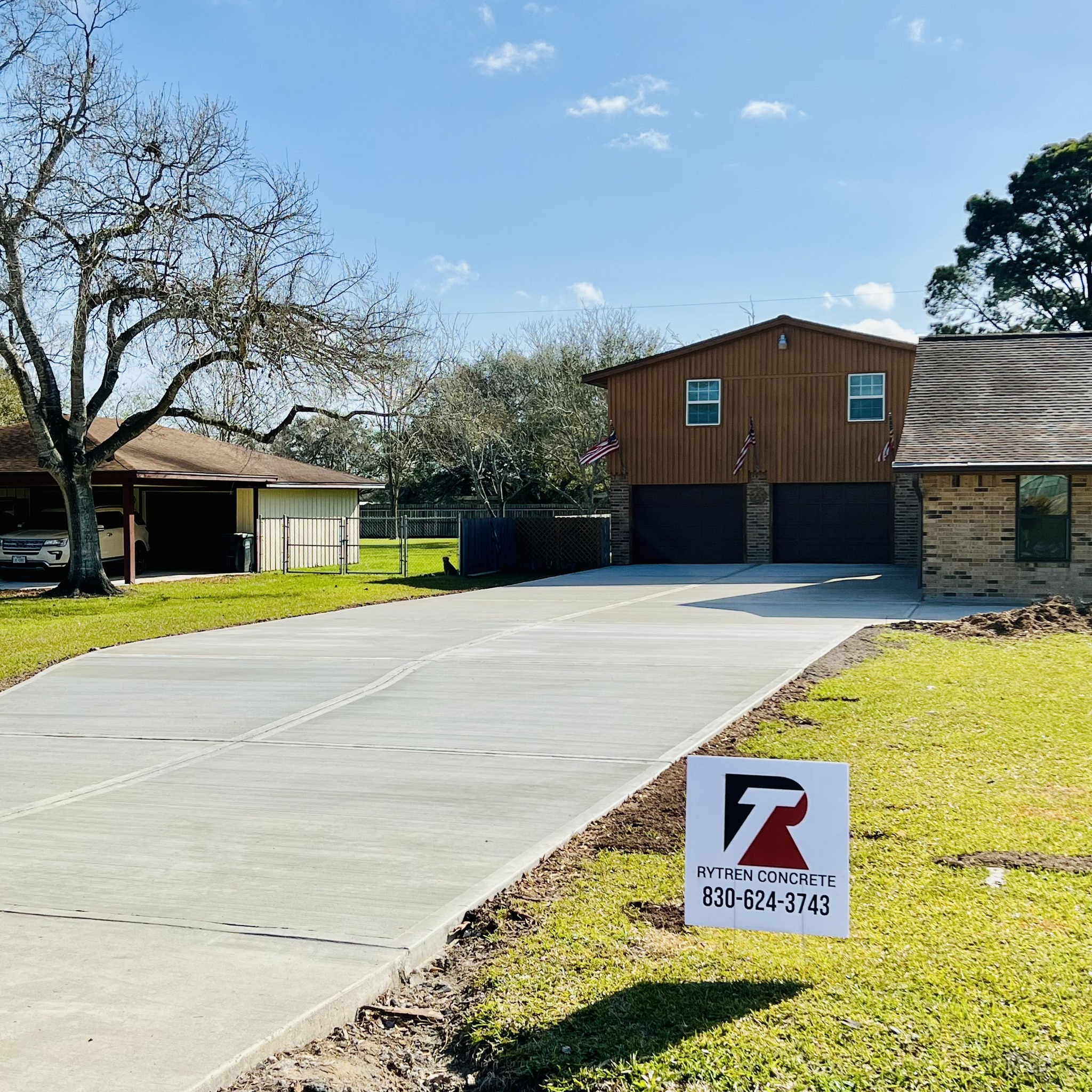
The Role of Rytren Concrete in Advancing Eco-Friendly Urban Infrastructure May 01, 2026
Concrete, as a fundamental building material, plays a pivotal role in shaping city landscapes. Traditionally, its production has been associated with high carbon emissions and resource consumption. However, recognizing its environmental impact, Rytren Concrete is committed to pioneering initiatives that address these concerns. The company's focus is on advancing technologies and methodologies that reduce waste, lower emissions, and enhance the durability of concrete.
One of the main ways Rytren Concrete contributes to eco-friendly urban infrastructure is through the development of high-performance concrete mixes. These mixes often incorporate recycled materials such as fly ash and slag, which not only recycle industrial waste but also improve the structural integrity of buildings. By optimizing the strength and longevity of concrete, these innovative mixes minimize the need for frequent repairs and replacements, thereby reducing the overall resource footprint.
In addition to using recycled materials, Rytren Concrete is a firm advocate of reducing carbon footprint across its operations. The company has invested in energy-efficient manufacturing processes and equipment to achieve this goal. By employing smart technologies and innovations, they ensure their production facilities consume less energy and produce fewer emissions. Such initiatives align with global targets to limit climate change and contribute positively to environmental preservation.
Furthermore, Rytren Concrete’s commitment to sustainability extends beyond production. Their projects often implement permeable concrete solutions—an essential aspect of sustainable urban planning. Permeable concrete significantly improves water management by allowing rainwater to seep through surfaces rather than running off. This feature is particularly advantageous in urban areas prone to flooding, where stormwater management is crucial. By facilitating natural water filtration and reducing runoff, permeable concrete aids in replenishing groundwater, thus promoting a balanced urban ecosystem.
The company's dedication to advancing eco-friendly urban infrastructure doesn't end with innovative products and practices. Rytren Concrete places significant importance on educating stakeholders, clients, and the community about sustainable construction practices. Through workshops, seminars, and partnerships with environmental organizations, they provide valuable insights into the benefits and applications of eco-friendly construction methods. By empowering communities with knowledge, Rytren Concrete fosters a culture of sustainability that extends beyond their immediate projects.
As urban areas continue to expand, the importance of sustainable infrastructure becomes even more critical. Rytren Concrete's pioneering efforts in developing and promoting eco-friendly concrete solutions are essential in building cities that are not only resilient but also in harmony with the environment. Their role in advancing these innovations ensures that urban development can meet the needs of the present without compromising the ability of future generations to meet their own.
In conclusion, Rytren Concrete exemplifies the transformative potential of embracing sustainability within the construction industry. Through innovative approaches, commitment to reducing environmental impact, and fostering community engagement, the company plays a vital role in advancing eco-friendly urban infrastructure. By choosing Rytren Concrete, developers and municipalities can confidently contribute to a sustainable future, underlining the fact that progressive, environmentally conscious construction practices are not only feasible but imperative for urban growth.
/filters:no_upscale()/filters:format(webp)/media/0a20fabb-d23d-4d7e-9d53-94ac716bbf14.jpeg)